欢迎进入济南济柴环能燃气发电设备有限公司官网!
当前位置:首页 - 新闻中心 - 行业资讯

行业资讯

在“双碳”目标的沼气发电机组全解析

返回 2026.06.28 来源:http://www.huannengpower.com 0

在“双碳”目标的时代背景下,如何将废弃物转化为清洁能源,已成为能源领域的重要课题。沼气发电机组正是这一课题的杰出答案——它将养殖场、污水处理厂、垃圾填埋场等场景中产生的有机废弃物发酵气体,转化为稳定可靠的电能。这种“变废为宝”的能力,使沼气发电机组在可再生能源体系中占据着日益重要的地位。

In the context of the "dual carbon" goal, how to convert waste into clean energy has become an important issue in the energy sector. The biogas generator set is the outstanding answer to this problem - it converts the organic waste fermentation gas generated in scenarios such as farms, sewage treatment plants, and landfills into stable and reliable electrical energy. The ability to turn waste into treasure has made biogas generators increasingly important in the renewable energy system.

什么是沼气发电机组?

What is a biogas generator set?

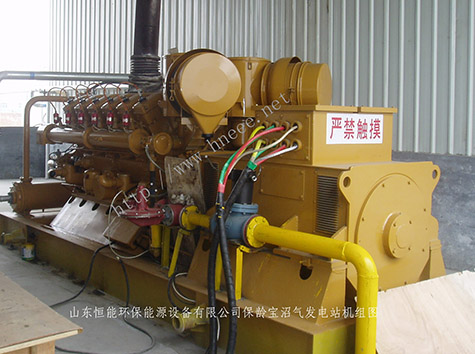
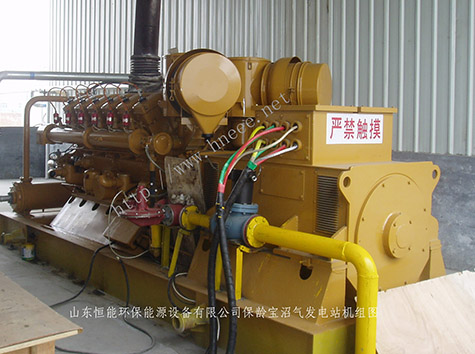
沼气发电机组是以沼气为燃料的发电设备,主要应用于养殖场、造纸厂、酒精厂等有机废弃物处理场景。沼气的主要可燃成分为甲烷(CH?),含量一般在40%至70%之间。机组通过将“空气-沼气”的混合物在气缸内压缩,利用火花塞点燃,推动活塞往复运动产生动力,进而驱动发电机发电。整套设备由预处理系统、发动机、发电机、控制系统及辅助设备构成,单机组功率覆盖50kW至2000kW,可满足从小规模用电需求到并入公共电网的各类场景。

Biogas generator set is a power generation equipment that uses biogas as fuel, mainly used in organic waste treatment scenarios such as breeding farms, paper mills, and alcohol factories. The main combustible component of biogas is methane (CH?), with a content generally between 40% and 70%. The unit compresses the mixture of "air biogas" in the cylinder, ignites it with a spark plug, and drives the reciprocating motion of the piston to generate power, which in turn drives the generator to generate electricity. The entire equipment consists of a preprocessing system, engine, generator, control system, and auxiliary equipment. The single unit power covers 50kW to 2000kW, which can meet various scenarios from small-scale electricity demand to integration into the public power grid.

沼气预处理:稳定运行的第一道关口

Biogas pretreatment: the first gateway for stable operation

dcc3008ee3962ef.jpeg

沼气从发酵罐导出后,并不能直接送入发动机燃烧——其中含有的水分、硫化氢等杂质会对设备造成严重损害。因此,预处理系统是保障机组稳定运行的基础。从发酵罐导出的沼气首先进入气液分离器,去除携带的水分与冷凝液,水分含量需降至10g/m?以下,否则会腐蚀发动机缸体。脱硫装置是预处理的核心单元——沼气中硫化氢含量通常为100至5000ppm,需通过干法脱硫(如氧化铁吸附)或湿法脱硫(如化学吸收)将其降至50ppm以下。研究表明,高硫会导致发动机机油劣化速度加快3至5倍,因此脱硫环节至关重要。净化后的沼气进入稳压罐,压力维持在5至20kPa,并与空气按比例混合,为发动机提供稳定的混合气。

After biogas is exported from the fermentation tank, it cannot be directly sent to the engine for combustion - the impurities such as water and hydrogen sulfide contained in it can cause serious damage to the equipment. Therefore, the preprocessing system is the foundation for ensuring the stable operation of the unit. The biogas exported from the fermentation tank first enters the gas-liquid separator to remove the carried moisture and condensate, and the moisture content needs to be reduced to 10g/m? Otherwise, it will corrode the engine cylinder block. The desulfurization device is the core unit of pretreatment - the hydrogen sulfide content in biogas is usually 100 to 5000 ppm, which needs to be reduced to below 50 ppm through dry desulfurization (such as iron oxide adsorption) or wet desulfurization (such as chemical absorption). Research has shown that high sulfur can accelerate engine oil degradation by 3 to 5 times, making the desulfurization process crucial. The purified biogas enters the stabilizing tank, with a pressure maintained at 5 to 20 kPa, and is mixed with air in proportion to provide a stable mixture for the engine.

发动机:能量转换的核心

Engine: The Core of Energy Conversion

发动机是沼气发电机组的核心部件,负责将沼气的化学能转化为机械能。混合气经进气管道进入气缸,在活塞压缩至顶点时(压缩比10至12:1),被高压火花塞点燃(点火电压20至30kV),发生燃烧反应。火焰传播速度达30至50m/s,瞬间释放的热能使缸内温度升至1800至2200℃,压力达8至12MPa,推动活塞往复运动。通过曲柄连杆机构,活塞的直线运动转化为曲轴的旋转运动(转速1500至3000r/min),输出机械扭矩。为适应沼气的低热值特性(通常18至25MJ/m?),发动机在进气系统和燃烧系统上进行了专门优化。

The engine is the core component of a biogas generator set, responsible for converting the chemical energy of biogas into mechanical energy. The mixture enters the cylinder through the intake pipe, and when the piston is compressed to its peak (compression ratio of 10 to 12:1), it is ignited by a high-pressure spark plug (ignition voltage of 20 to 30kV), causing a combustion reaction. The flame propagation speed reaches 30 to 50m/s, and the instantly released heat energy raises the temperature inside the cylinder to 1800 to 2200 ℃, with a pressure of 8 to 12MPa, driving the piston to reciprocate. Through the crank connecting rod mechanism, the linear motion of the piston is converted into the rotational motion of the crankshaft (at a speed of 1500 to 3000 r/min), outputting mechanical torque. To adapt to the low calorific value characteristics of biogas (usually 18 to 25 MJ/m)? )The engine has been specially optimized in both the intake and combustion systems.

从技术参数来看,现代沼气发电机组已形成完整的产品矩阵。以30kW机型为例,额定电压400V、额定频率50Hz、转速1500rpm,压缩比10.5:1;160kW机型采用增压前进气和稀薄燃烧技术,压缩比同样为10.5:1;300kW机型压缩比提升至11.5:1。600千瓦级机组发电效率可达40%,氮氧化物排放小于1000ppm。部分高端机型采用超音速燃料喷射阀控制燃料供应,实现发动机瞬态响应,满足突加突卸等大冲击负荷要求。

From the perspective of technical parameters, modern biogas generators have formed a complete product matrix. Taking the 30kW model as an example, the rated voltage is 400V, the rated frequency is 50Hz, the speed is 1500rpm, and the compression ratio is 10.5:1; The 160kW model adopts turbocharging and lean combustion technology, with a compression ratio of 10.5:1; The compression ratio of the 300kW model has been increased to 11.5:1. The power generation efficiency of a 600 kilowatt unit can reach 40%, and the nitrogen oxide emissions are less than 1000ppm. Some high-end models use supersonic fuel injection valves to control fuel supply, achieving transient response of the engine and meeting the requirements of large impact loads such as sudden loading and unloading.

单燃料与双燃料:两种技术路线

Single fuel and dual fuel: two technological routes

沼气发电机组主要分为单燃料和双燃料两类。单燃料型完全以沼气为燃料,系统简单、成本较低,适合沼气产量稳定的场景;双燃料型可灵活切换沼气与柴油,在沼气产量波动时仍能保持运行。双燃料机组的优势在于对沼气产量和甲烷浓度变化有更强的适应能力,但也需要液体燃料供给设备,控制机构稍复杂,价格也略高。

Biogas generator sets are mainly divided into two types: single fuel and dual fuel. The single fuel type is completely fueled by biogas, with a simple system and low cost, suitable for scenarios where biogas production is stable; The dual fuel type can flexibly switch between biogas and diesel, and can maintain operation even when biogas production fluctuates. The advantage of dual fuel units lies in their stronger adaptability to changes in biogas production and methane concentration, but they also require liquid fuel supply equipment, slightly more complex control mechanisms, and slightly higher prices.

余热回收与综合效益

Waste heat recovery and comprehensive benefits

沼气发电机组的另一大亮点在于余热回收利用。内燃机正常回水温度为70℃,在污水处理厂中可利用这一热量给消化池进行加热。燃气内燃机机械效率通常达40%,热效率可达50%,采用热电冷联供后,机组总热效率可达80%以上。沼气热值利用效率可达38%,较燃气轮机高12个百分点,单位体积沼气发电量提升25%。对于拥有大量沼气资源的企业来说,利用沼气发电不仅可以降低电费支出,还可以通过出售多余电力获得额外收益。正是凭借这种“一次能源、多重产出”的综合效益,沼气发电机组正在成为绿色能源领域不可或缺的重要力量。

Another highlight of biogas generator sets is the recovery and utilization of waste heat. The normal return water temperature of the internal combustion engine is 70 ℃, and this heat can be used to heat the digestion tank in the sewage treatment plant. The mechanical efficiency of gas internal combustion engines usually reaches 40%, and the thermal efficiency can reach 50%. After adopting cogeneration, the total thermal efficiency of the unit can reach over 80%. The utilization efficiency of biogas calorific value can reach 38%, which is 12 percentage points higher than that of gas turbines, and the power generation per unit volume of biogas can be increased by 25%. For enterprises with abundant biogas resources, utilizing biogas for power generation can not only reduce electricity costs, but also generate additional income by selling excess electricity. It is precisely with the comprehensive benefits of "primary energy, multiple outputs" that biogas generators are becoming an indispensable and important force in the field of green energy.

新闻搜索
济南济柴环能燃气发电设备有限公司
  • 服务热线

    0531-62325028
    0531-69951266

在“双碳”目标的沼气发电机组全解析

在“双碳”目标的时代背景下,如何将废弃物转化为清洁能源,已成为能源领域的重要课题。沼气发电机组正是这一课题的杰出答案——它将养殖场、污水处理厂、垃圾填埋场等场景中产生的有机废弃物发酵气体,转化为稳定可靠的电能。这种“变废为宝”的能力,使沼气发电机组在可再生能源体系中占据着日益重要的地位。

In the context of the "dual carbon" goal, how to convert waste into clean energy has become an important issue in the energy sector. The biogas generator set is the outstanding answer to this problem - it converts the organic waste fermentation gas generated in scenarios such as farms, sewage treatment plants, and landfills into stable and reliable electrical energy. The ability to turn waste into treasure has made biogas generators increasingly important in the renewable energy system.

什么是沼气发电机组?

What is a biogas generator set?

沼气发电机组是以沼气为燃料的发电设备,主要应用于养殖场、造纸厂、酒精厂等有机废弃物处理场景。沼气的主要可燃成分为甲烷(CH?),含量一般在40%至70%之间。机组通过将“空气-沼气”的混合物在气缸内压缩,利用火花塞点燃,推动活塞往复运动产生动力,进而驱动发电机发电。整套设备由预处理系统、发动机、发电机、控制系统及辅助设备构成,单机组功率覆盖50kW至2000kW,可满足从小规模用电需求到并入公共电网的各类场景。

Biogas generator set is a power generation equipment that uses biogas as fuel, mainly used in organic waste treatment scenarios such as breeding farms, paper mills, and alcohol factories. The main combustible component of biogas is methane (CH?), with a content generally between 40% and 70%. The unit compresses the mixture of "air biogas" in the cylinder, ignites it with a spark plug, and drives the reciprocating motion of the piston to generate power, which in turn drives the generator to generate electricity. The entire equipment consists of a preprocessing system, engine, generator, control system, and auxiliary equipment. The single unit power covers 50kW to 2000kW, which can meet various scenarios from small-scale electricity demand to integration into the public power grid.

沼气预处理:稳定运行的第一道关口

Biogas pretreatment: the first gateway for stable operation

dcc3008ee3962ef.jpeg

沼气从发酵罐导出后,并不能直接送入发动机燃烧——其中含有的水分、硫化氢等杂质会对设备造成严重损害。因此,预处理系统是保障机组稳定运行的基础。从发酵罐导出的沼气首先进入气液分离器,去除携带的水分与冷凝液,水分含量需降至10g/m?以下,否则会腐蚀发动机缸体。脱硫装置是预处理的核心单元——沼气中硫化氢含量通常为100至5000ppm,需通过干法脱硫(如氧化铁吸附)或湿法脱硫(如化学吸收)将其降至50ppm以下。研究表明,高硫会导致发动机机油劣化速度加快3至5倍,因此脱硫环节至关重要。净化后的沼气进入稳压罐,压力维持在5至20kPa,并与空气按比例混合,为发动机提供稳定的混合气。

After biogas is exported from the fermentation tank, it cannot be directly sent to the engine for combustion - the impurities such as water and hydrogen sulfide contained in it can cause serious damage to the equipment. Therefore, the preprocessing system is the foundation for ensuring the stable operation of the unit. The biogas exported from the fermentation tank first enters the gas-liquid separator to remove the carried moisture and condensate, and the moisture content needs to be reduced to 10g/m? Otherwise, it will corrode the engine cylinder block. The desulfurization device is the core unit of pretreatment - the hydrogen sulfide content in biogas is usually 100 to 5000 ppm, which needs to be reduced to below 50 ppm through dry desulfurization (such as iron oxide adsorption) or wet desulfurization (such as chemical absorption). Research has shown that high sulfur can accelerate engine oil degradation by 3 to 5 times, making the desulfurization process crucial. The purified biogas enters the stabilizing tank, with a pressure maintained at 5 to 20 kPa, and is mixed with air in proportion to provide a stable mixture for the engine.

发动机:能量转换的核心

Engine: The Core of Energy Conversion

发动机是沼气发电机组的核心部件,负责将沼气的化学能转化为机械能。混合气经进气管道进入气缸,在活塞压缩至顶点时(压缩比10至12:1),被高压火花塞点燃(点火电压20至30kV),发生燃烧反应。火焰传播速度达30至50m/s,瞬间释放的热能使缸内温度升至1800至2200℃,压力达8至12MPa,推动活塞往复运动。通过曲柄连杆机构,活塞的直线运动转化为曲轴的旋转运动(转速1500至3000r/min),输出机械扭矩。为适应沼气的低热值特性(通常18至25MJ/m?),发动机在进气系统和燃烧系统上进行了专门优化。

The engine is the core component of a biogas generator set, responsible for converting the chemical energy of biogas into mechanical energy. The mixture enters the cylinder through the intake pipe, and when the piston is compressed to its peak (compression ratio of 10 to 12:1), it is ignited by a high-pressure spark plug (ignition voltage of 20 to 30kV), causing a combustion reaction. The flame propagation speed reaches 30 to 50m/s, and the instantly released heat energy raises the temperature inside the cylinder to 1800 to 2200 ℃, with a pressure of 8 to 12MPa, driving the piston to reciprocate. Through the crank connecting rod mechanism, the linear motion of the piston is converted into the rotational motion of the crankshaft (at a speed of 1500 to 3000 r/min), outputting mechanical torque. To adapt to the low calorific value characteristics of biogas (usually 18 to 25 MJ/m)? )The engine has been specially optimized in both the intake and combustion systems.

从技术参数来看,现代沼气发电机组已形成完整的产品矩阵。以30kW机型为例,额定电压400V、额定频率50Hz、转速1500rpm,压缩比10.5:1;160kW机型采用增压前进气和稀薄燃烧技术,压缩比同样为10.5:1;300kW机型压缩比提升至11.5:1。600千瓦级机组发电效率可达40%,氮氧化物排放小于1000ppm。部分高端机型采用超音速燃料喷射阀控制燃料供应,实现发动机瞬态响应,满足突加突卸等大冲击负荷要求。

From the perspective of technical parameters, modern biogas generators have formed a complete product matrix. Taking the 30kW model as an example, the rated voltage is 400V, the rated frequency is 50Hz, the speed is 1500rpm, and the compression ratio is 10.5:1; The 160kW model adopts turbocharging and lean combustion technology, with a compression ratio of 10.5:1; The compression ratio of the 300kW model has been increased to 11.5:1. The power generation efficiency of a 600 kilowatt unit can reach 40%, and the nitrogen oxide emissions are less than 1000ppm. Some high-end models use supersonic fuel injection valves to control fuel supply, achieving transient response of the engine and meeting the requirements of large impact loads such as sudden loading and unloading.

单燃料与双燃料:两种技术路线

Single fuel and dual fuel: two technological routes

沼气发电机组主要分为单燃料和双燃料两类。单燃料型完全以沼气为燃料,系统简单、成本较低,适合沼气产量稳定的场景;双燃料型可灵活切换沼气与柴油,在沼气产量波动时仍能保持运行。双燃料机组的优势在于对沼气产量和甲烷浓度变化有更强的适应能力,但也需要液体燃料供给设备,控制机构稍复杂,价格也略高。

Biogas generator sets are mainly divided into two types: single fuel and dual fuel. The single fuel type is completely fueled by biogas, with a simple system and low cost, suitable for scenarios where biogas production is stable; The dual fuel type can flexibly switch between biogas and diesel, and can maintain operation even when biogas production fluctuates. The advantage of dual fuel units lies in their stronger adaptability to changes in biogas production and methane concentration, but they also require liquid fuel supply equipment, slightly more complex control mechanisms, and slightly higher prices.

余热回收与综合效益

Waste heat recovery and comprehensive benefits

沼气发电机组的另一大亮点在于余热回收利用。内燃机正常回水温度为70℃,在污水处理厂中可利用这一热量给消化池进行加热。燃气内燃机机械效率通常达40%,热效率可达50%,采用热电冷联供后,机组总热效率可达80%以上。沼气热值利用效率可达38%,较燃气轮机高12个百分点,单位体积沼气发电量提升25%。对于拥有大量沼气资源的企业来说,利用沼气发电不仅可以降低电费支出,还可以通过出售多余电力获得额外收益。正是凭借这种“一次能源、多重产出”的综合效益,沼气发电机组正在成为绿色能源领域不可或缺的重要力量。

Another highlight of biogas generator sets is the recovery and utilization of waste heat. The normal return water temperature of the internal combustion engine is 70 ℃, and this heat can be used to heat the digestion tank in the sewage treatment plant. The mechanical efficiency of gas internal combustion engines usually reaches 40%, and the thermal efficiency can reach 50%. After adopting cogeneration, the total thermal efficiency of the unit can reach over 80%. The utilization efficiency of biogas calorific value can reach 38%, which is 12 percentage points higher than that of gas turbines, and the power generation per unit volume of biogas can be increased by 25%. For enterprises with abundant biogas resources, utilizing biogas for power generation can not only reduce electricity costs, but also generate additional income by selling excess electricity. It is precisely with the comprehensive benefits of "primary energy, multiple outputs" that biogas generators are becoming an indispensable and important force in the field of green energy.